
 Milan Design Week 2026: Why Milan Still Sets the Pace for Global Design
Milan Design Week 2026 has come to a close. Once again, it confirms that Italy is not simply a place where design is exhibited. It is a place where design shapes market direction, creates commercial opportunity, and strengthens international positioning.
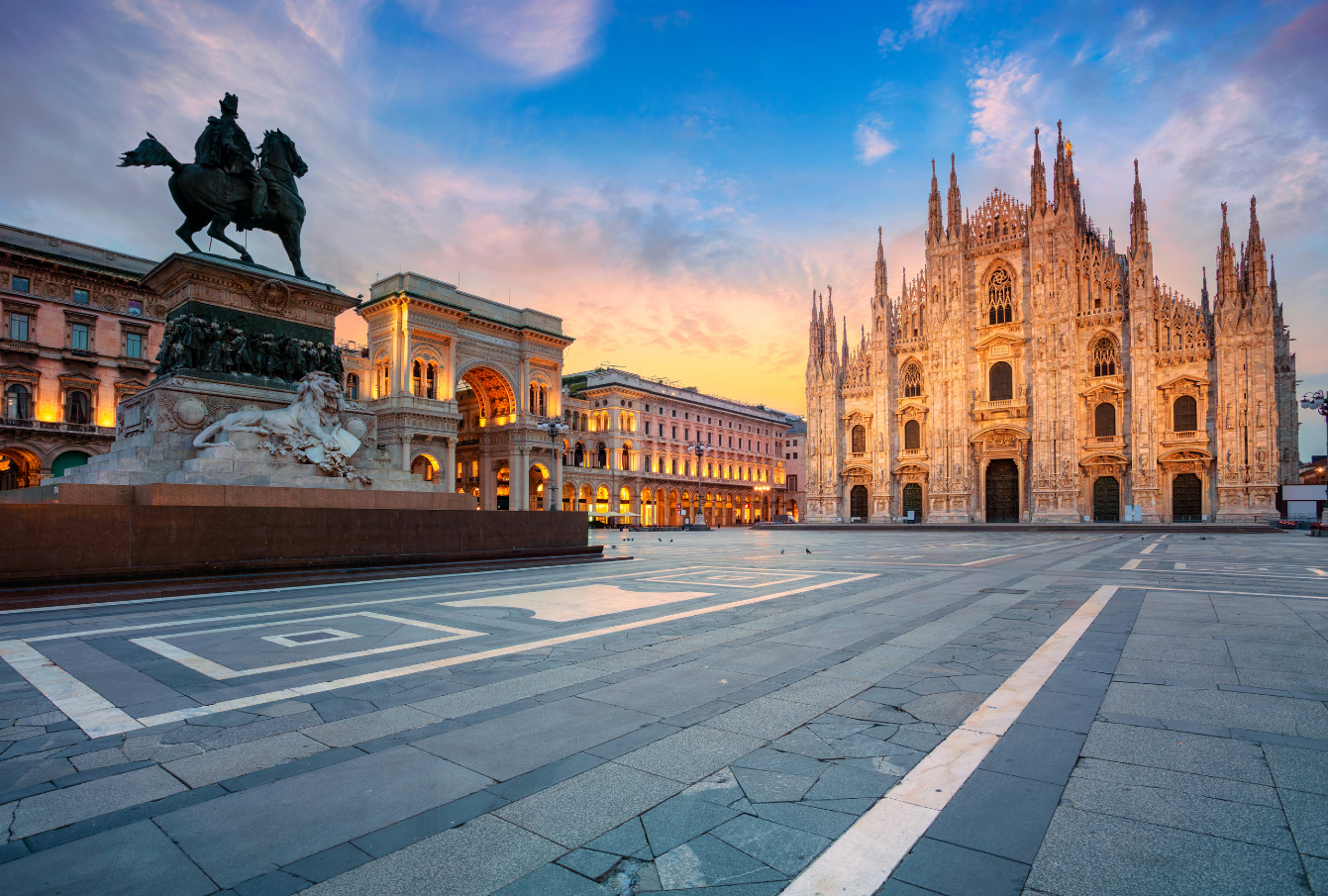
The event ran from 20 to 26 April across the city. The 64th Salone del Mobile. Milano took place from 21 to 26 April at Fiera Milano Rho. Together, they reinforced Milan’s role as a global meeting point for creativity, industry, and business development.
What stood out this year was not only the scale of the event. It was also the clarity of its direction. Fuorisalone 2026 centred on the theme “Be the Project.” The theme framed design as an evolving process rather than a finished object. It emphasised responsibility, transformation, and new relationships between people, materials, and technology.
Across the city, this vision shaped the entire week. The focus moved away from isolated products. It shifted toward systems, experiences, and the environments where design operates.
The numbers confirm this momentum. The official Fuorisalone guide listed 1,097 events across Milan. These events spread across districts, installations, and thematic itineraries. Salone del Mobile also delivered strong results. It recorded 316,342 visitors from 167 countries. International trade visitors accounted for 68 percent. The event hosted 1,900 brands from 32 countries. It also welcomed more than 6,000 members of the press.
These figures represent more than attendance. They show that Milan remains one of the few places where international visibility and concrete business development reinforce each other at scale.
A Design Week That Operates as a Business Platform
Milan Design Week works on several levels at the same time. Salone del Mobile acts as the industrial and commercial anchor. Fuorisalone transforms the city into a live platform for brand positioning, experimentation, and market testing.
The official Fuorisalone platform highlighted major activity in districts such as Brera, Porta Venezia, Isola, Tortona, 5VIE, and Portanuova. Once again, the event extended far beyond a single fairground or audience.
It functions as an urban ecosystem. In this system, design reaches hospitality, retail, heritage spaces, public venues, and temporary installations.
This structure gives Milan strong strategic value for international companies. Brands can present products and observe audience reactions. They can also assess positioning and identify opportunities across contract, real estate, workplace, technology, fashion, and luxury sectors.
Salone del Mobile described the event as a lever for internationalisation, networking, and business development. This framing matters. Milan Design Week operates not only as a cultural event. It also functions as a commercial infrastructure.
2026 Showed a Broader Understanding of Design
This edition expanded the meaning of design in Milan. Salone del Mobile included its annual exhibitions alongside the return of EuroCucina and the International Bathroom Exhibition. It also introduced new directions through Salone Raritas and the development of Salone Contract 2027.
The organisers positioned these initiatives as part of a wider strategy. They aim to connect design with new business models, emerging markets, and complex project environments.
This shift reflects how companies must now engage with the Italian market. In Milan, design is not judged only on aesthetics. It is also evaluated on adaptability, project relevance, and brand coherence. It must also connect with wider ecosystems such as hospitality, public space, residential development, and international contract opportunities.
The emphasis on contract, experimentation, and cross-sector dialogue shows a clear trend. The market rewards companies that position design as part of a broader business strategy.
Why This Still Matters for International Companies Entering Italy
For international firms, Milan Design Week remains one of the clearest windows into the Italian market. It reveals what feels credible, current, and commercially relevant.
Milan combines cultural prestige with practical market signalling. This combination gives the event its strength.
The event also offers a concentrated view of how Italian audiences, buyers, partners, and institutions respond to innovation. It shows which narratives travel well. It also reveals which product languages resonate locally.
For companies that look beyond short-term visibility, Milan Design Week provides a direct entry point into the market.
What Milan Design Week 2026 Confirmed
Now that the 2026 edition has ended, the takeaway is clear. Milan continues to shape global design not only through creativity, but through ecosystem strength. It brings together brands, manufacturers, buyers, media, institutions, and designers in a way that few cities can replicate. The final attendance figures from Salone del Mobile, the scale of the Fuorisalone programme, and the continued emphasis on internationalisation all point in the same direction: Milan is still where design becomes strategically visible.
For Proaxxes, this is exactly why Milan Design Week deserves attention. It is one of the moments when Italy becomes especially legible to international companies. Beyond the installations and headlines, it offers something more valuable: a real-time view of how design, business, and market presence interact in practice. And for companies seeking to enter or strengthen their presence in Italy, that understanding is often the difference between visibility and real positioning. Contact us!